
A merger can transform a business overnight, but customers often decide how they feel about the change within minutes of visiting the website. A confusing digital experience can create uncertainty long after the deal closes. When planned well, website design for mergers and acquisitions can turn uncertainty into confidence and guide customers through the transition.
TL;DR
- M&A website design should reduce confusion.
- The website must explain what changed, what stays the same, and what customers should do next.
- A merger or acquisition needs clear messaging for customers, employees, partners, and investors.
- Brand architecture helps two companies decide whether to keep, combine, or retire digital properties.
- SEO planning protects search visibility during redirects, content moves, and domain changes.
- UX should make account, support, pricing, and service changes easy to understand.
- Trust signals like FAQs, leadership notes, timelines, and case studies reduce customer doubt.
- Professional services firms need people-focused pages, proof, and clear service structure.
- Ecommerce acquisitions need careful planning around checkout, accounts, orders, and support.
- Long-term success depends on ownership, analytics, post-launch improvements, and clear communication.
What Are Mergers and Acquisitions in Website Design?
In website design, mergers and acquisitions involve combining brands, content, services, customer journeys, and digital systems into a clear and unified experience. The goal is not simply to launch a new website. The goal is to help people understand the transition, find the information they need, and continue interacting with the business without confusion.
When two companies come together, the website often becomes the first place people look for answers. Customers want to know what changed. Employees want clarity. Partners and investors want confidence. A merger or acquisition happen behind the scenes, but its impact is immediately visible online.
A successful M&A website creates clarity during change. It connects old and new brands, protects trust, preserves search visibility, and gives every visitor a smooth path forward.
What are the challenges and risks associated with mergers and acquisitions?
Website design for mergers and acquisitions is not only about making a site look modern. It helps customers, employees, investors, and partners understand what changed after a merger and acquisition in a fast-moving business landscape.
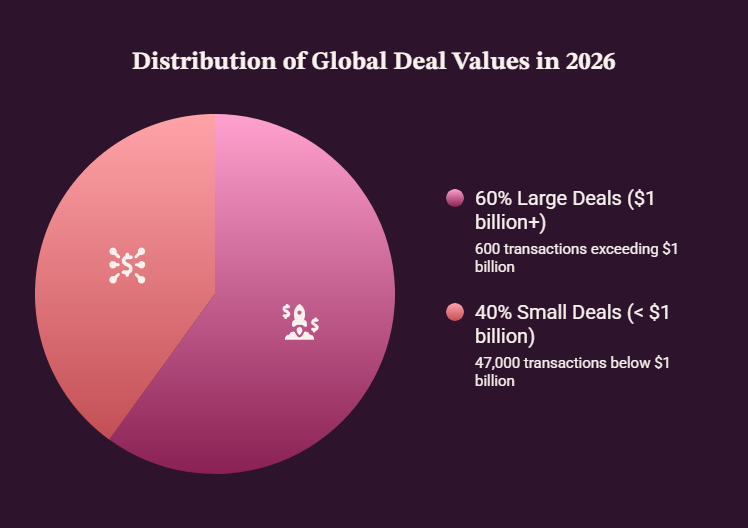
This matters even more as deal activity rises. PwC says global deal values increased 36% in 2025, driven by about 600 transactions above $1 billion, while roughly 47,000 smaller transactions were flat year over year.
What are the common types of mergers and acquisitions?
When people hear about a deal, they often look at the website before they read a full announcement. They want quick answers. Is the brand still active? Are the services changing? Who owns the company now? Can they still contact the same team?
This is where design becomes communication. A clear page structure, simple navigation, helpful messaging, and visible support links can reduce doubt before it grows.
Acquisition communication matters because changes can affect pricing, service delivery, product access, billing, and support paths. If the website does not answer those questions, customers may create their own story.
That story is not always accurate.
Practical Design Elements Reduce Confusion
The key elements in this article are practical, not decorative. They focus on trust, clarity, search visibility, user experience, and long-term business confidence.
Think about a regional software company joining a larger group. Existing customers may visit the site before calling sales or support. A strong transition page should explain the change, confirm service continuity, and show where to get help.
That simple experience can protect confidence during a complex business moment.
What Should a Merger or Acquisition Website Say First?
Website visitors do not want vague language after a deal announcement. They want quick, direct answers.
Nielsen Norman Group found 79% of users scan new web pages, while only 16% read word by word.
They want to know what happened, what will change, what will stay the same, and what they should do next.
A merger or acquisition page should never hide basic information behind a press release. Press releases are helpful for media and investors, but they are not enough for customers who need practical guidance.
A strong acquisition website strategy starts with the reader’s concern.
Different groups will look for different answers:
- Customers need reassurance about services, pricing, support, and account access.
- Employees need clarity about the company direction and internal changes.
- Partners need confidence that operations and relationships will continue.
- Investors need a clear signal that the transition is being handled carefully.
Each stakeholder may have a different concern, but they all need clear and consistent communication.
The website should explain the transition in plain language. Avoid dramatic claims, vague promises, or complicated legal-style messaging.
Instead, clearly explain:
- What has changed
- What has not changed
- Who owns the company now
- How customers can get support
- Whether pricing, services, or accounts are affected
- When people can expect the next update
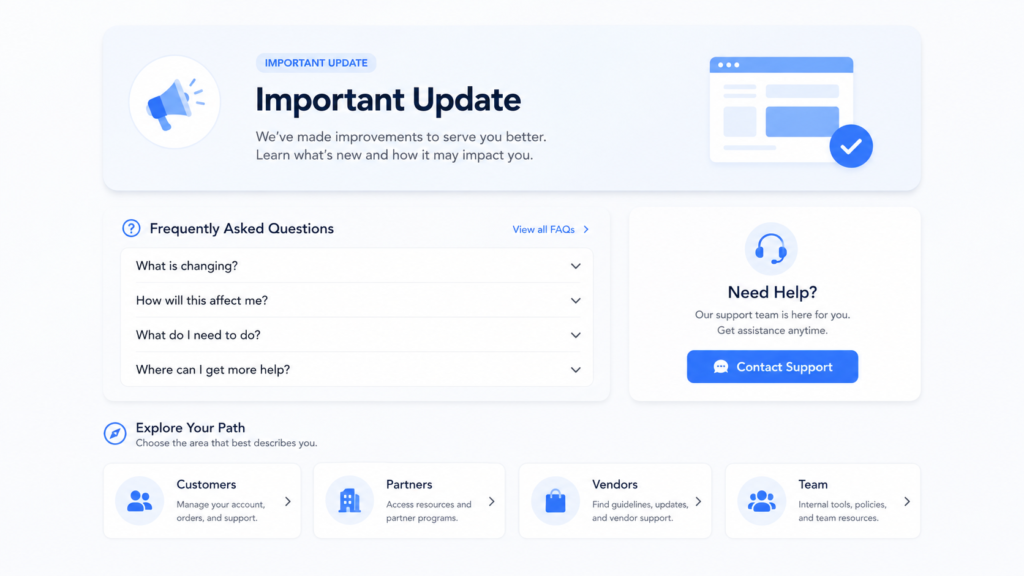
Useful website elements can include homepage announcement bars, FAQ sections, leadership notes, customer support links, contact paths, and service continuity messages.
For example, a homepage banner could say:
“Company A has joined Company B. Your current services and support contacts remain active. Learn what this means for customers.”
That message is simple, calm, and helpful.
The goal is a smooth transition, not a dramatic campaign. A good website helps people understand the next step without forcing them to search through emails, news articles, or legal pages.
When the first message is clear, the rest of the transition becomes easier to trust.
How Can Web Design Protect Trust After an Acquisition?
Trust can drop after an acquisition if users feel ignored. Customers of the acquired company may worry about pricing, product quality, support access, roadmap changes, or whether familiar teams will still be available.
That doubt is normal. A deal may be positive for the business, but customers usually care about how it affects their daily experience.
Good web design can reduce dissatisfaction by making answers easy to find. Add transition FAQs, customer letters, service continuity notes, timeline sections, and clear support contact blocks.
Protect Existing Brand Trust Before You Change Too Much
If the target company has strong customer loyalty, do not erase its identity too quickly. The website should respect the relationship people already have with the brand.
This may mean keeping a dedicated transition page, using familiar product names, showing existing leadership, or explaining how the old and new teams will work together.
The tone matters too. Do not speak only to investors. Speak to customers who may be worried about losing something they trusted.
This connects directly to due diligence. Before an offer to purchase becomes public, teams should review customer concerns, high-value pages, brand equity, legal and regulatory limits, and support risks.
- Bain says successful merger integration begins with strong due diligence and continues into the ownership period.
That early review helps the website launch with fewer blind spots.
For example, if customers often search for a legacy product name, removing that page too early can create confusion. A better approach is to keep the page, explain the transition, and guide users toward the right next step.
Trust is protected when people feel informed, not surprised.
How does branding and logo design impact mergers and acquisitions?
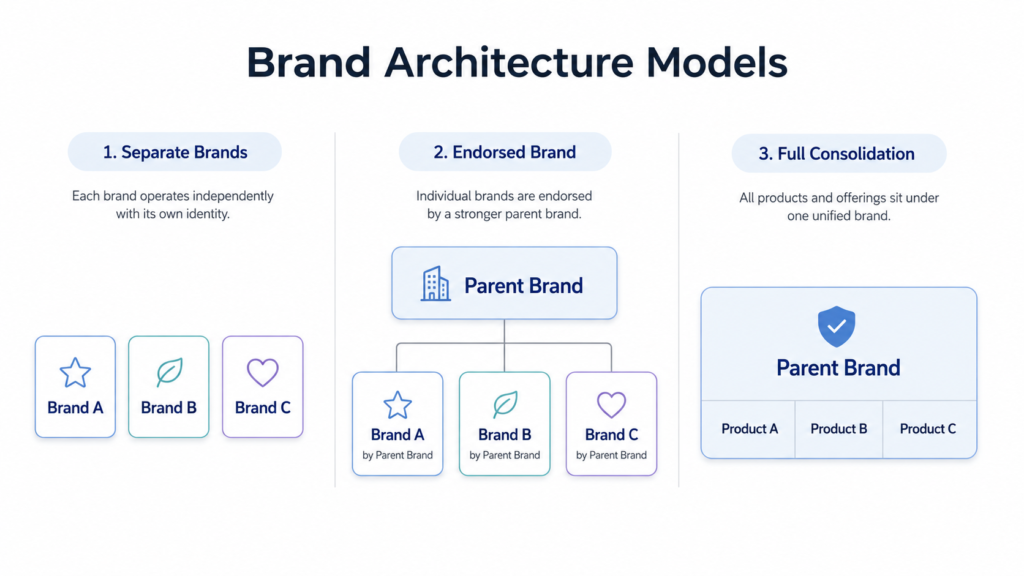
Two companies need a clear brand architecture decision before design starts. They may keep separate brands, use an endorsed model, combine names, or form a new entity with a new company website.
This decision shapes the full M&A website redesign. It affects navigation, homepage messaging, product pages, support paths, search visibility, and how customers understand the combined offer.
Full consolidation can reduce redundancy and make the site easier to manage. It can also simplify content, service pages, analytics, and lead capture.
Here is the rewritten version with bullets, without making it longer:
Still, moving too fast can create risk.
A slower transition may protect market share if users still search for the old brand or feel attached to the previous identity.
In that case, the old site may need a transition page before full merger website consolidation.
The right choice depends on:
- Customer behavior
- Brand equity
- Search demand
- Product overlap
- Business goals
When teams merge digital identities, visual elements matter because they guide recognition.
This includes:
- Logos
- Colors
- Typography
- Navigation labels
- Product categories
- Page layouts
For example, a banner can say, “Brand A is now part of Brand B.”
A service page can explain what changed and where customers should go next.
When merging with another brand, do not force users to guess.
Good design should show whether the old brand is staying, being endorsed, or becoming part of a new entity.
The goal is not only visual consistency. The goal is a website structure that helps people move from old familiarity to new clarity.
How does SEO and digital marketing play a role in M&A?
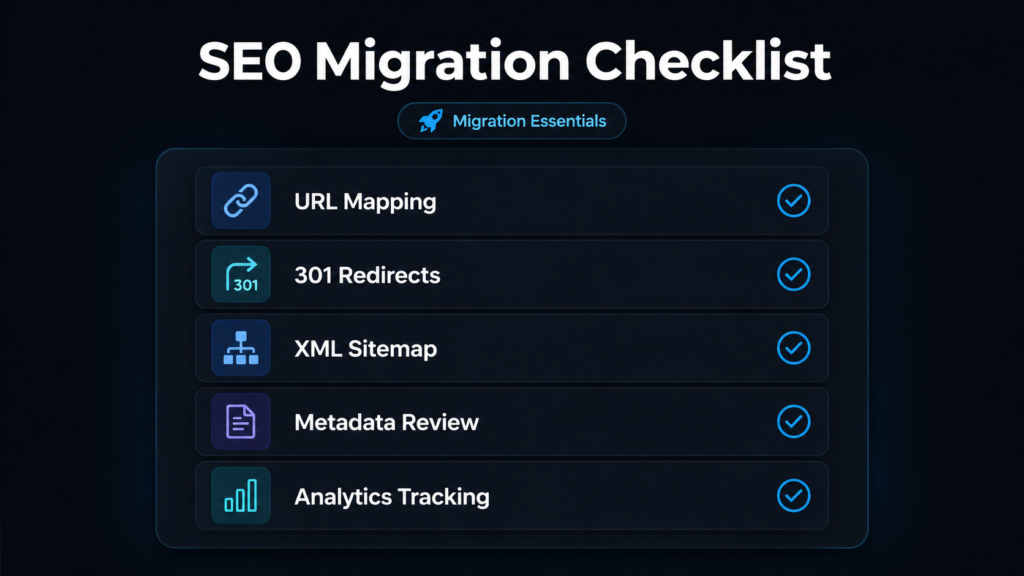
Website design for mergers and acquisitions can damage SEO if migration is rushed. Old URLs, backlinks, metadata, ranking pages, and internal links may be lost when teams move, rewrite, or delete content.
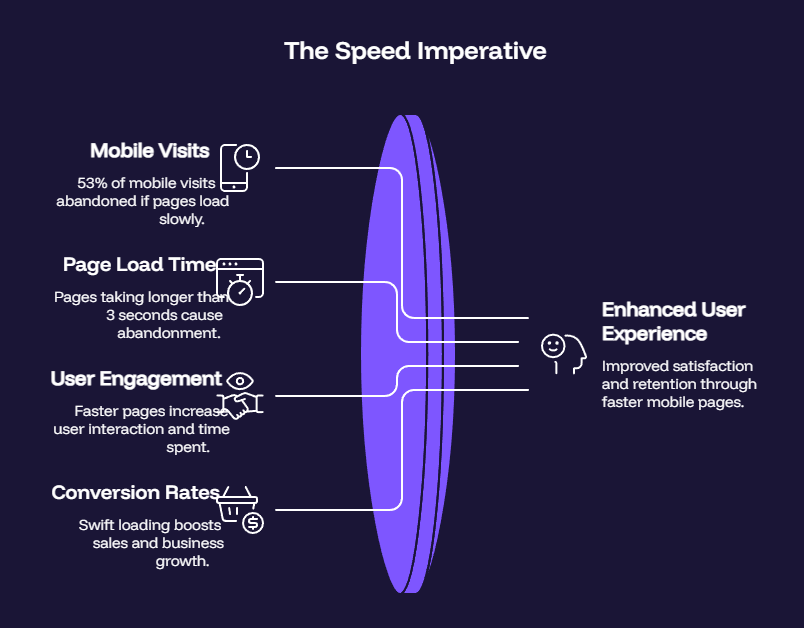
- Google research says 53% of mobile visits are likely to be abandoned if pages take longer than 3 seconds to load.
That can hurt visibility at the exact moment people are searching for answers.
A clean M&A website redesign should include search planning from the beginning. Design teams should not decide page removal only by how a page looks. Some plain pages may carry strong rankings, backlinks, conversions, or customer support value.
What are the key considerations for website consolidation during an M&A?
Start with a practical checklist.
Map old URLs to new URLs. Keep valuable pages. Update titles and descriptions. Test redirects. Submit new sitemaps. Monitor analytics. Check search performance after launch. Review crawl errors. Keep transition content live long enough for users and search engines.
The integration process should be simple to understand. A seamless experience keeps customers and search engines on the right path.
If a product page moves, the old URL should guide people to the best new page. If a service name changes, the new page should explain the relationship clearly.
This type of migration planning is a core part of the website strategy work delivered by Omnix Studio.
Seamless integration does not mean everything changes overnight. It means every important page has a clear next destination, every major search path is protected, and every customer can still find what they need.
What are the essential elements of a successful merger and acquisition?
Be honest about the role of design. Website design does not replace discounted cash flow, future cash flows, or the target company’s financials. Those belong to valuation analysis.
Still, a strong website can support confidence in how the business is positioned.
Clear offers, proof, customer stories, fast pages, and strong service structure can suggest operational maturity. These signals may help buyers, partners, and customers understand the business more quickly.
This does not mean design alone creates profitability. It does not.
But design can make the value story easier to understand.
For example, if a company has strong customer outcomes but poor service pages, the value may be harder to see. A clearer website can show who the business serves, what problems it solves, and why customers trust it.
That can support buyer confidence during review, planning, and post-close communication.
Synergy should also be handled carefully. If the deal thesis depends on cross-selling, new markets, or stronger services, the website should explain that synergy in plain language.
Avoid inflated promises like “industry-leading transformation” unless there is proof behind it.
A better message would be: “Our combined company now offers strategy, implementation, and ongoing support through one connected team.”
That is specific, useful, and easier to believe.
When the website explains service expansion, customer benefits, and operational clarity, it can support valuation perception.
It helps people understand the business story faster.
What are the basic tenets for effective website design?
Professional services websites depend heavily on trust. After a merger or acquisition, clients want to know who leads the work, whether their advisors remain, and how the team of experts will guide the process.
This is not only a design issue. It is a relationship issue.
Clients often choose firms because of people, expertise, reputation, and confidence. If the website suddenly changes names, pages, or contact paths without explanation, clients may feel disconnected from the firm they trusted.
The most useful pages are often simple:
- Leadership pages
- Service pages
- Industry pages
- Case studies
- Contact paths
- FAQ sections
These pages clarify roles and responsibilities and make the new organization structure easier to understand.
These pages clarify roles and responsibilities and make the new organization structure easier to understand.
For example, if an accounting firm acquires a tax advisory practice, the website should show expanded services, continuity of people, client contact points, and benefits.
The tone should not sound like a generic announcement. It should speak directly to clients.
A useful message might say: “Your existing advisory team remains in place. You now have access to broader accounting, tax, and business support through one connected firm.”
That gives clients confidence without overselling the change.
What Changes for Ecommerce During an Acquisition Website Redesign?
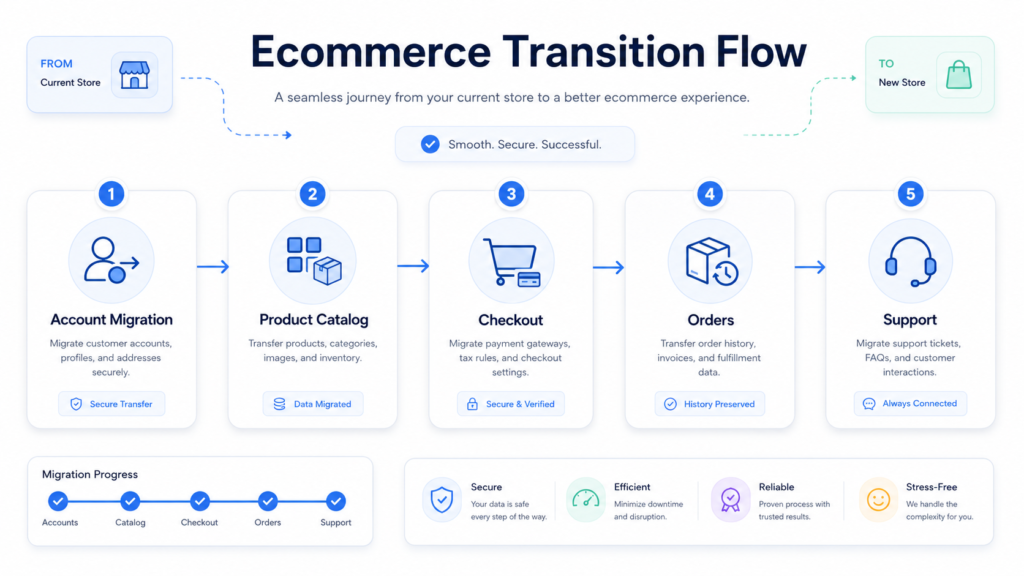
Ecommerce changes are sensitive because customers use accounts, checkout, shipping, returns, subscriptions, loyalty points, and order history.
When one company buys another company, the website must make practical changes easy to understand.
A customer does not want a long business explanation before buying again. They want to know if their login still works, where their order history lives, whether returns are accepted, and how loyalty points are handled.
During an acquisition website strategy, teams should explain company purchases, product catalog changes, account migration, support updates, and checkout continuity.
If the buyer is acquiring a new store or another business, customers need simple instructions before they place another order.
This matters even more when another company has different policies, shipping rules, product data, or support standards.
For example, a transition page can answer: “Do I need to create a new account?” “Where can I track my order?” “Will my subscription continue?” “Who handles returns now?”
Align Operations Before Promising Cost Savings
Cost savings should also be discussed carefully.
Ecommerce consolidation may create operational efficiencies and cost savings, but only when product data, inventory, tracking, checkout, and customer support are aligned before launch.
If these systems are rushed, the website may look finished while the customer experience breaks behind the scenes.
What are the essential phases or steps in the web design process?
A new website should not start with colors. It should start with careful planning across a few important areas:
- Audience research and customer concerns
- Service mapping and content review
- Analytics, SEO risk, and old URL priorities
- Legal and regulatory review
- Customer support needs before and after launch
Design comes later because the structure must first answer real business questions.
Design comes later because the structure must first answer real business questions.
What are customers worried about? Which pages drive leads? Which services are changing? Which teams own updates? Which old URLs need to stay live? Which pages need approval from legal, sales, product, or support?
Website design for mergers and acquisitions should be tied to an integration plan.
A well-executed integration plan gives every team clear ownership before launch. Marketing owns messaging. Sales owns lead flow. Support owns customer questions. Development owns technical changes. Leadership approves the transition story.
That ownership helps the site operate more efficiently after launch.
It also helps teams navigate the complexities of timing, customer communication, search risk, and internal alignment.
For the merged company, long-term success comes from post-launch updates, analytics reviews, support feedback, and organizational ownership.
A website should not freeze after the announcement period ends.
The first version may answer the most urgent questions. The next version should improve service pages, content depth, conversion paths, proof, and post-merger website integration.
A strong website keeps learning from customers after the deal is public.
How Do You Measure Success After a Merger or Acquisition Website Launch?
Launch is not the finish line. After the new site goes live, teams should track branded search, organic traffic, form submissions, support tickets, page speed, lead quality, conversion paths, and engagement on key transition pages.
This helps teams see whether the website is reducing confusion or creating more questions.
Measurement also connects the website to successful m&a. A strong digital transition should help teams identify opportunities for growth, reduce customer confusion, enhance operational efficiency, and capitalize on the stronger combined offer.
Website performance should not be reviewed only by the design team. Sales, support, leadership, marketing, and operations should all share feedback.
For example, if support tickets increase around account access, the website may need clearer login instructions. If branded search drops, transition pages and redirects may need review.
Use a simple 30, 60, and 90-day review cycle:
- First 30 days: Check technical issues, redirects, support questions, and conversion paths.
- At 60 days: Review organic traffic, content gaps, customer behavior, and lead quality.
- At 90 days: Optimize weak pages, update FAQs, improve service pages, and adjust messaging based on real user data.
This keeps the website connected to m&a integration, not only launch-day design.
The best teams treat m&a activities as an ongoing improvement cycle. They measure, learn, and refine until the website supports customers, teams, and business goals with less friction.
Final Thoughts
A merger or acquisition website should do more than announce a deal. It should help customers, employees, partners, and investors understand what changed and what happens next.
The strongest transition websites focus on clarity before creativity. They answer customer questions, protect trust, preserve SEO value, and make important changes easy to navigate. From brand architecture and messaging to account management and support paths, every decision should reduce confusion rather than create it.
A well-designed website can also strengthen how people perceive the combined business, although it cannot replace financial analysis or valuation work. Long-term success comes from clear ownership, ongoing optimization, and a commitment to improving the experience after launch.
Ultimately, the goal is not simply to launch a new website. The goal is to create a confident digital transition that helps people trust, understand, and engage with the business moving forward.
Ready to Plan Your M&A Website With More Clarity?
Planning a merger, acquisition, or website consolidation?
Omnix Studio can help you build a clear M&A digital strategy, protect search visibility, improve user experience, and plan post-merger website updates with confidence.
You get a strategist, designers, and developers working together so the site does more than look polished. It supports trust, clarity, conversion, and growth.